Hervey Bay does not have one good season. It has a hot, humid summer that empties the esplanade in the middle of the afternoon, a mild winter that fills it with people who have driven up from colder places, and two shoulder seasons in between that do most of the work for anyone planning a driving holiday. Which month suits you depends on what you want to be doing when you get there.
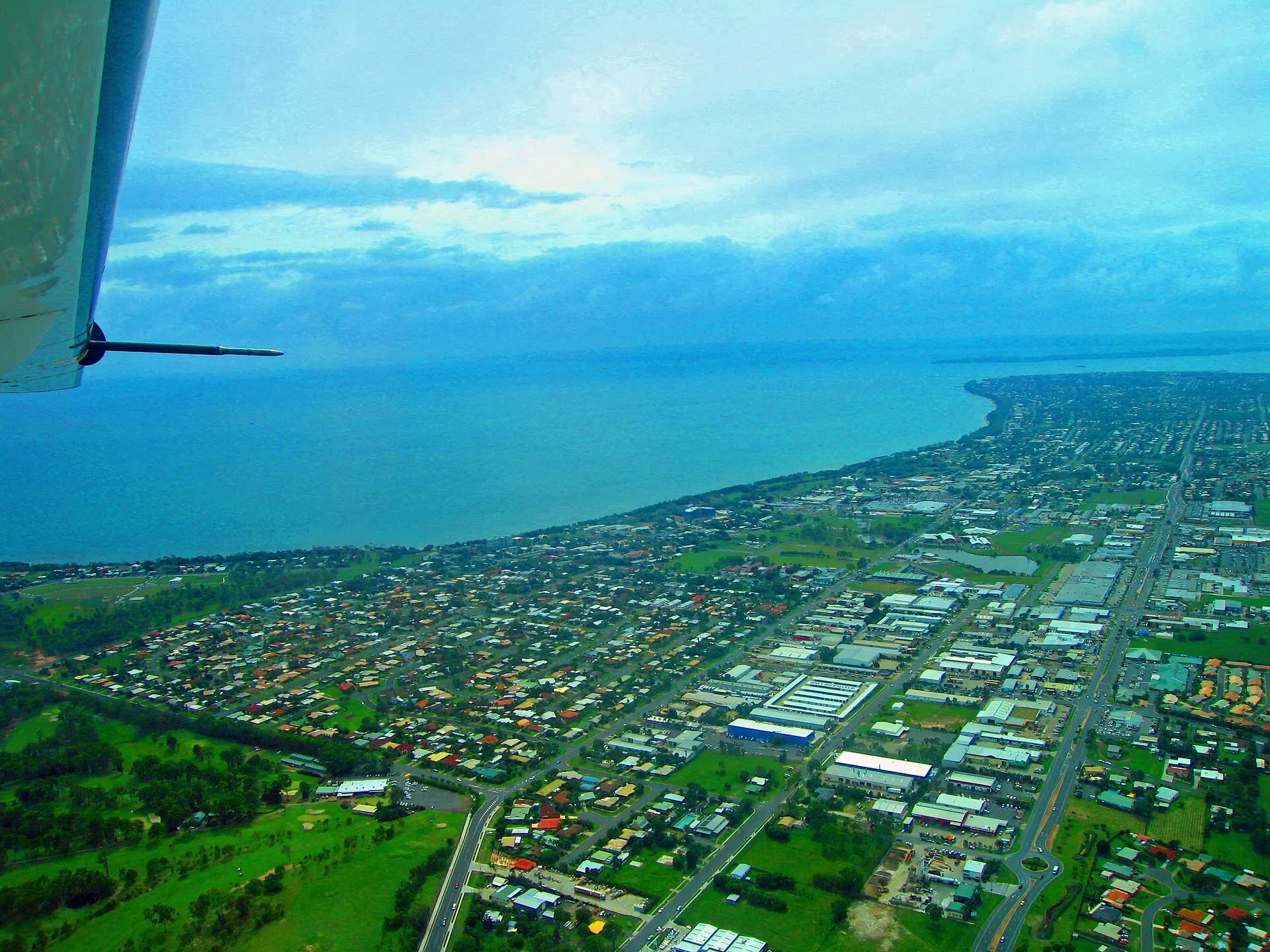
The town runs along the esplanade through Urangan, Torquay, Scarness, Pialba and Point Vernon, facing a shallow, sheltered strait rather than open ocean. That is why the water stays calm and why the year divides the way it does: a hot, stormy summer, a dry and gentle winter, and settled weather on either side. Here is how to match the calendar to the trip.
Summer heat and the afternoon storm pattern
December, January and February catch people out. The heat is one thing; the humidity is what makes a campervan feel like a tin shed by two in the afternoon. Mornings are the good part of the day — flat water, light air, the beach at Torquay or Scarness still in shade — and the sea is at its warmest, which is the reason plenty of people come now anyway.
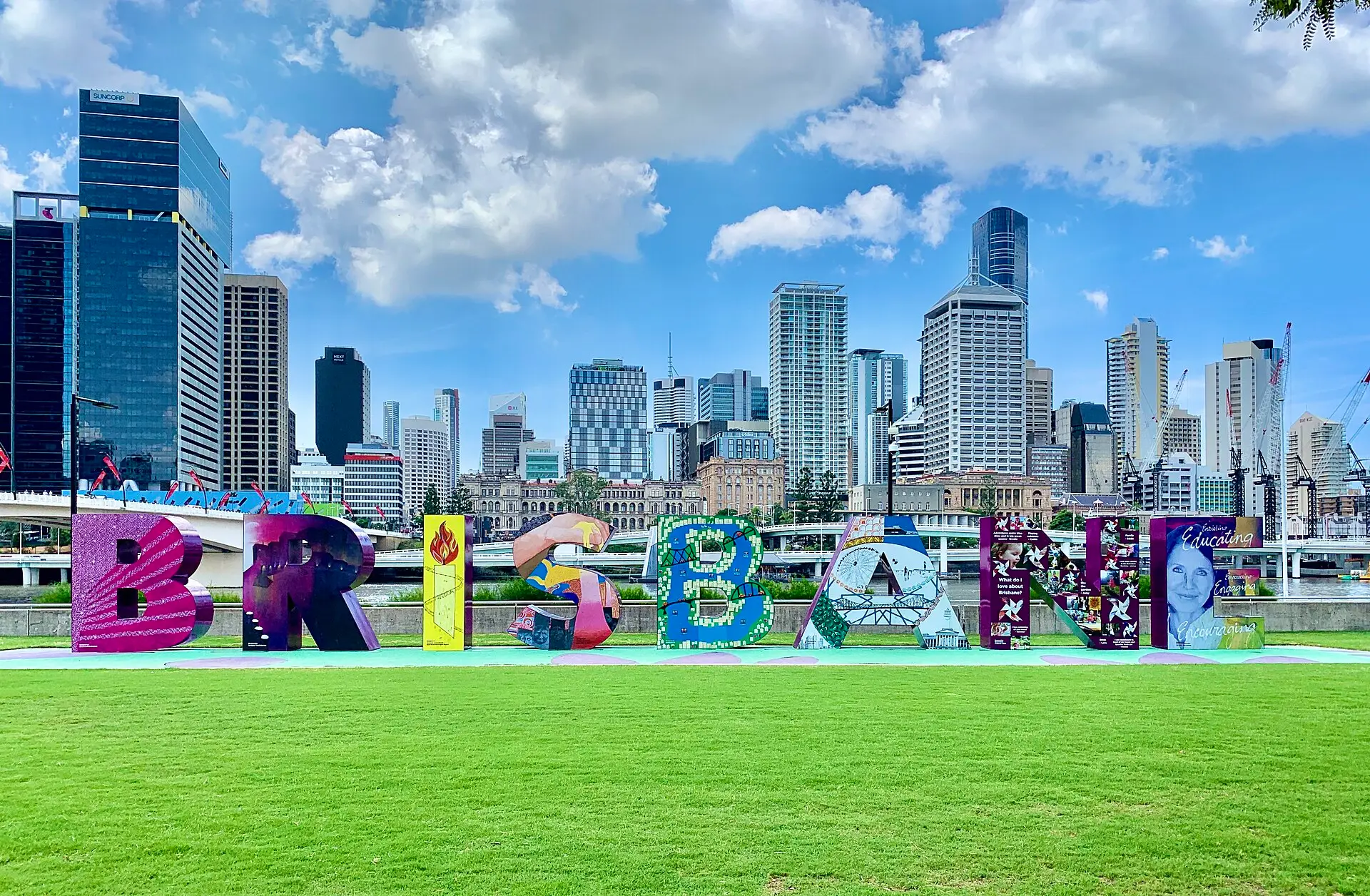
Storms build through the afternoon, often quickly, and usually clear to a brighter, cooler evening. Treat that as a schedule rather than a risk: swim and drive in the morning, be somewhere with a roof at three, and go back out for the sunset. Because the vehicle is collected in Brisbane and driven north — route planners put it at about 290 km, three and a half to four hours up the Bruce Highway — summer also decides what that first afternoon on the road costs you.
The Christmas and New Year week is the busiest stretch of the year here. If summer is your only window, the second half of January is a different town.
Autumn and spring are the driving months
March to May and September to November are the two stretches that suit a vehicle-based trip best. Days are warm without being punishing, nights are cool enough to sleep, and the weather is settled enough that a plan made a week ahead usually holds.
Autumn is the steadier of the two. The summer humidity drains away, the water is still warm from the months before, and the light is clear. Spring warms up faster and brings more wind with it, which matters if you are sleeping in a rooftop tent or cooking outside. It also overlaps the whale season, which is why plenty of people choose it.
| Season | Months | What it feels like | Suits |
|---|---|---|---|
| Summer | December to February | Hot and humid, storms building through the afternoon | Warm water, early starts, indoor plans for mid-afternoon |
| Autumn | March to May | Warm days, cool nights, settled weather | Long drives, camping, beach days that last |
| Winter | June to August | Mild, dry and clear, cold after dark | Whale season, walking, escaping a southern winter |
| Spring | September to November | Warming up, breezier, storms returning late in the season | Whales and warm water, with wind to plan around |
Whale season and what it does to the town
Humpback whales pass through these waters between July and November each year, travelling north to breed and calve before returning to Antarctic feeding grounds. On the way south many stop in Hervey Bay for up to a week, resting and playing, which is why whale watching here is about behaviour rather than a distant fin: breaches, tail slaps, spy hops and blows.
The season changes the shape of the town. Most boats work out of the Great Sandy Straits Marina at Urangan, so mornings are busy and the esplanade fills earlier than in the shoulder weeks either side. It also splits your choice in two: July and August give you whales with mild, dry days and cold nights; October and November give you whales with warm water and the first of the summer storms.
The detail is worth reading before you fix dates. Whale watching in Hervey Bay covers the season properly, and it is the page to read alongside this one if the whales are the reason for the trip.
School holidays set the real peaks
Queensland runs four school terms, so holiday pressure arrives in four blocks rather than one long summer. The Christmas and New Year break is the longest of the four. Easter moves each year but reliably fills the coast. The mid-year break lands in late June and early July, which puts holiday traffic and whale season in the same weeks. The September break overlaps the start of the spring warm-up.
If your dates are flexible, a week either side of a Queensland holiday makes a visible difference to campsites, the esplanade and the queues at River Heads. If they are not, book the vehicle and the campsite before anything else, and expect the popular camping areas to go early.
What each season means for a campervan
A campervan changes the calculation in every season, because you are living in the weather rather than retreating from it. The same forecast that means a light jumper in a motel room means condensation on the inside of the roof by morning.
The other seasonal factor is where you can stay. Camping areas along the coast and on K'gari fill around holidays, and vehicle, site and whale tour all need to line up in the same week. If your dates are firm, check availability for your dates before you build the rest of the trip around them. The campervan hire options for Hervey Bay and the full range are worth a look at the same time, because the answer to a February trip and a July trip is not always the same vehicle.
- Summer: park in shade rather than in the open, and plan to be out of the van between midday and late afternoon. A powered site is worth having for the fan and the fridge.
- Autumn: the easiest season to sleep in a van. Cool nights, dry air, and no need to chase shade through the day.
- Winter: mild days but cold nights, and condensation is the thing nobody warns you about. Ventilate before you sleep, not after.
- Spring: warm and windy. A rooftop tent is exposed in wind; a fixed roof or a hi-top is not.
Questions
Which months are best for a first visit to Hervey Bay?
Late March to May, or September and October, if you want the weather to stay out of the way. Both give you warm days, cool nights and settled conditions, and both sit outside the Christmas peak. Autumn is the calmer of the two; spring is warmer and windier but overlaps whale season.
Is summer too hot to camp in a campervan?
It is hot rather than impossible, but it needs a plan. Drive and swim in the morning, be under cover during the afternoon storm window, and choose a site with shade and power. Nights are warm and humid, so ventilation matters more than bedding does.
When is whale season on the Fraser Coast?
July to November. Humpbacks travel north earlier in the year and stop in the bay on the way back south, often for up to a week at a time. Tours run through the season from Hervey Bay and K'gari.
What is winter like in Hervey Bay?
Mild, dry and clear, with cold nights. Days are comfortable for walking the esplanade and being on the water, and whale season is in full swing. It surprises people who expect Queensland to be hot everywhere.